The source
From historical sources
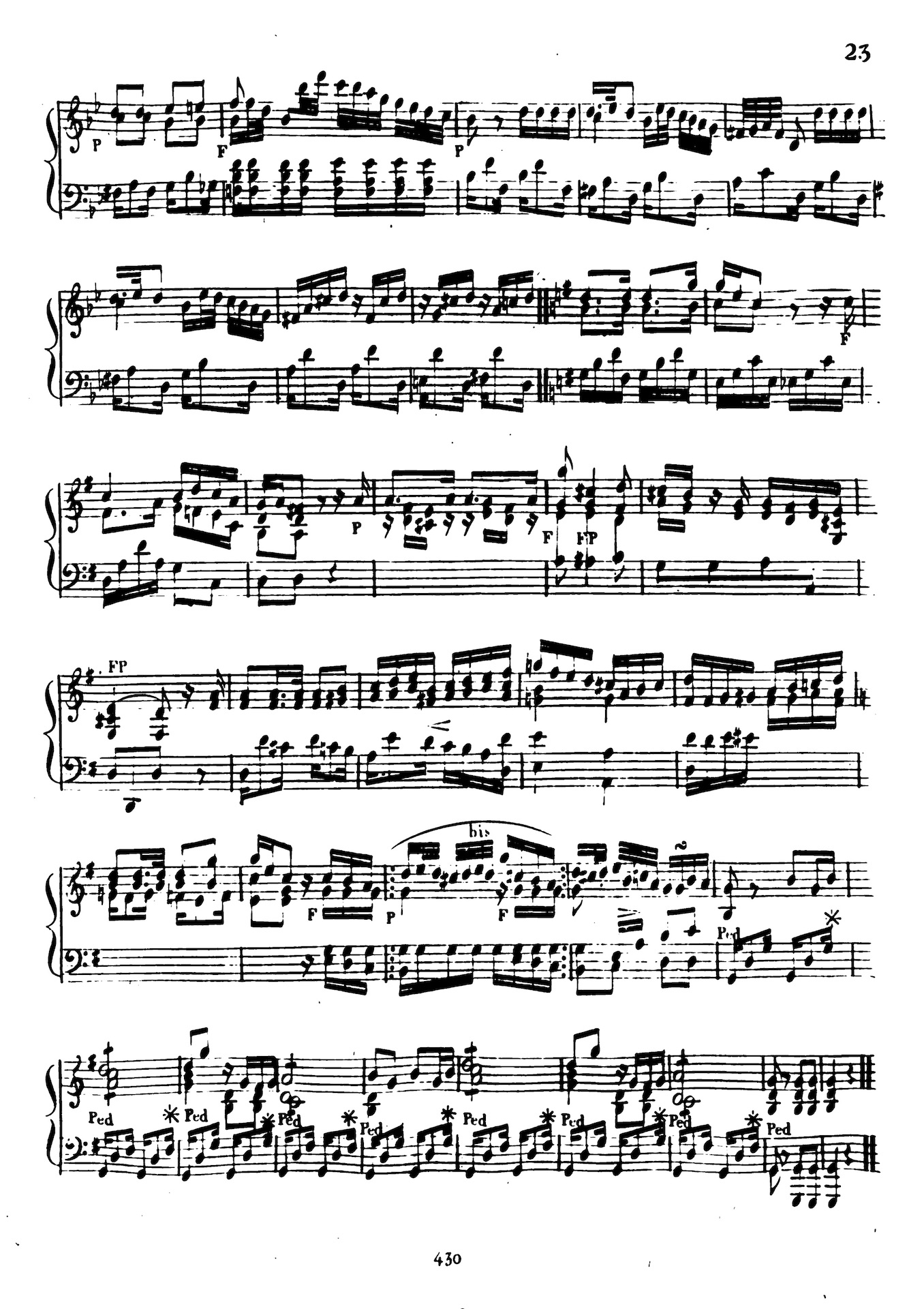
Many worthwhile works survive only in old prints, facsimiles, or library scans. These sources are valuable, but not always practical at the piano. A new edition begins by studying what the sources actually say: their notation, inconsistencies, ambiguities, and occasional errors.
Some editions are based on several primary sources and can properly be described as Urtext editions. Others survive in a single first edition or another single primary source; these are issued as critical performing editions. The care may be comparable, but the source situation is different.
The score
A newly engraved score
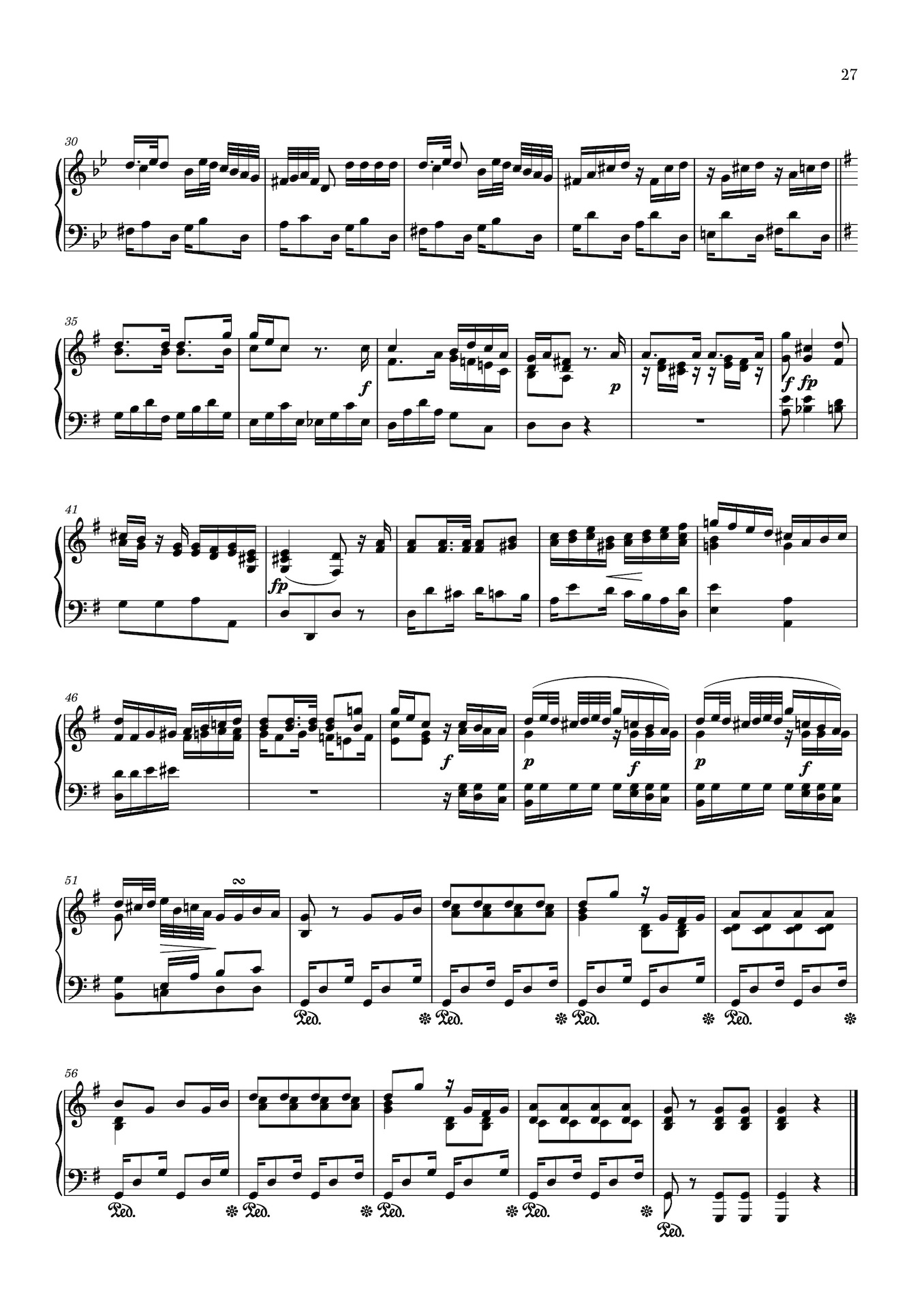
Each Felix Edition is newly engraved rather than reproduced from an existing print. The aim is not to modernise the music, but to make the notation clear, the page practical, and the score useful for study and performance.
Most editions are prepared by me, from source study to engraving and commentary. Some are edited by specialist musicians with a close understanding of the repertoire, or developed in collaboration with foundations and research organisations dedicated to particular composers or repertoires.
The commentary
Making decisions traceable
Each edition includes a foreword and critical commentary. The foreword gives historical and musical context: who wrote the work, where it belongs, and why it deserves renewed attention.
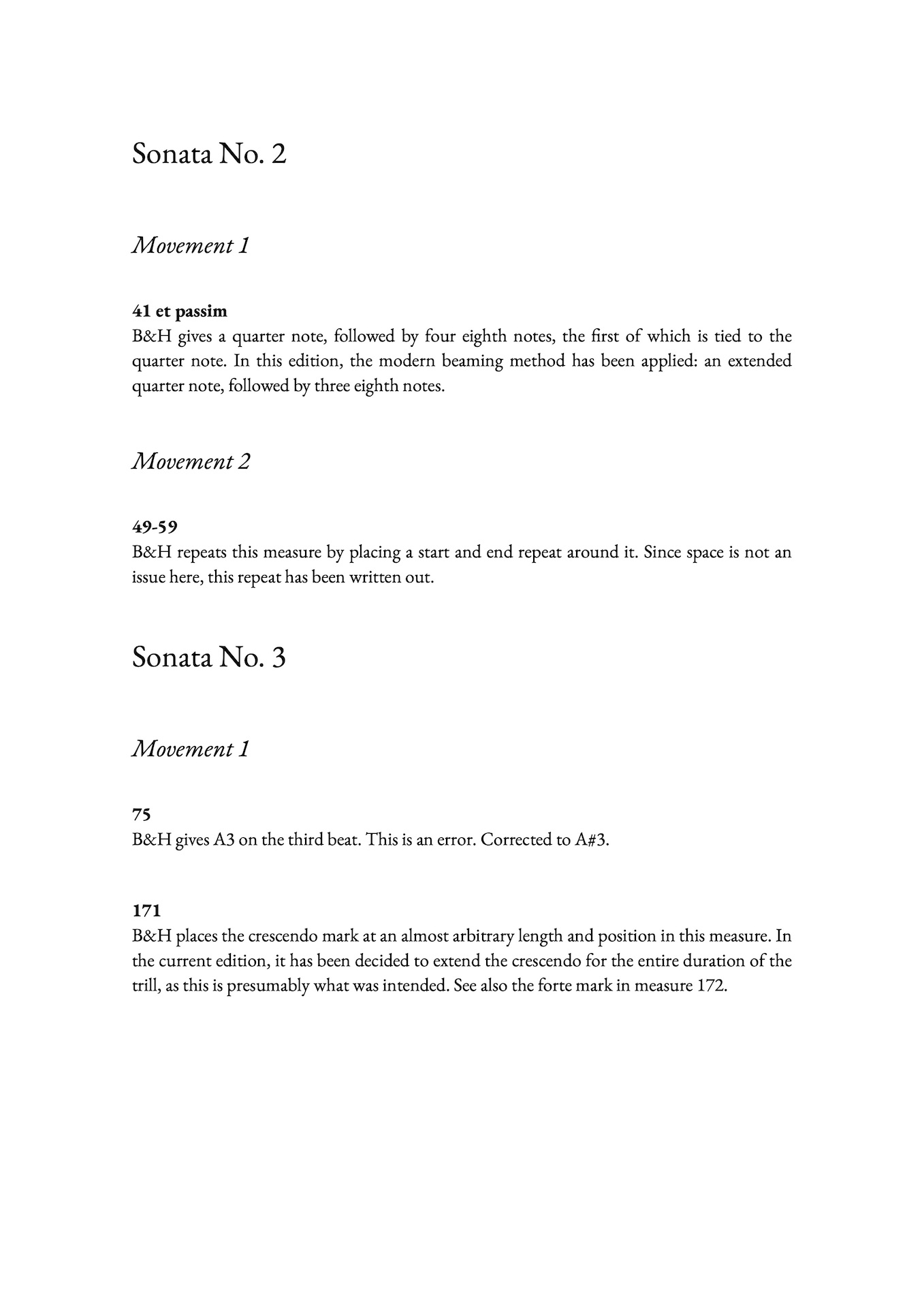
The critical commentary gives the evidence behind the score. It records important source readings, corrections, variants, and uncertainties, so that performers and researchers can see how the edition was prepared.