Various composers
Variations on a Theme by Diabelli
A newly prepared edition of the collective Diabelli variation project, bringing together fifty early nineteenth-century responses to Diabelli’s waltz by composers including Schubert, Liszt, Hummel, Czerny, Moscheles and others.
Bernhard van den Sigtenhorst Meyer
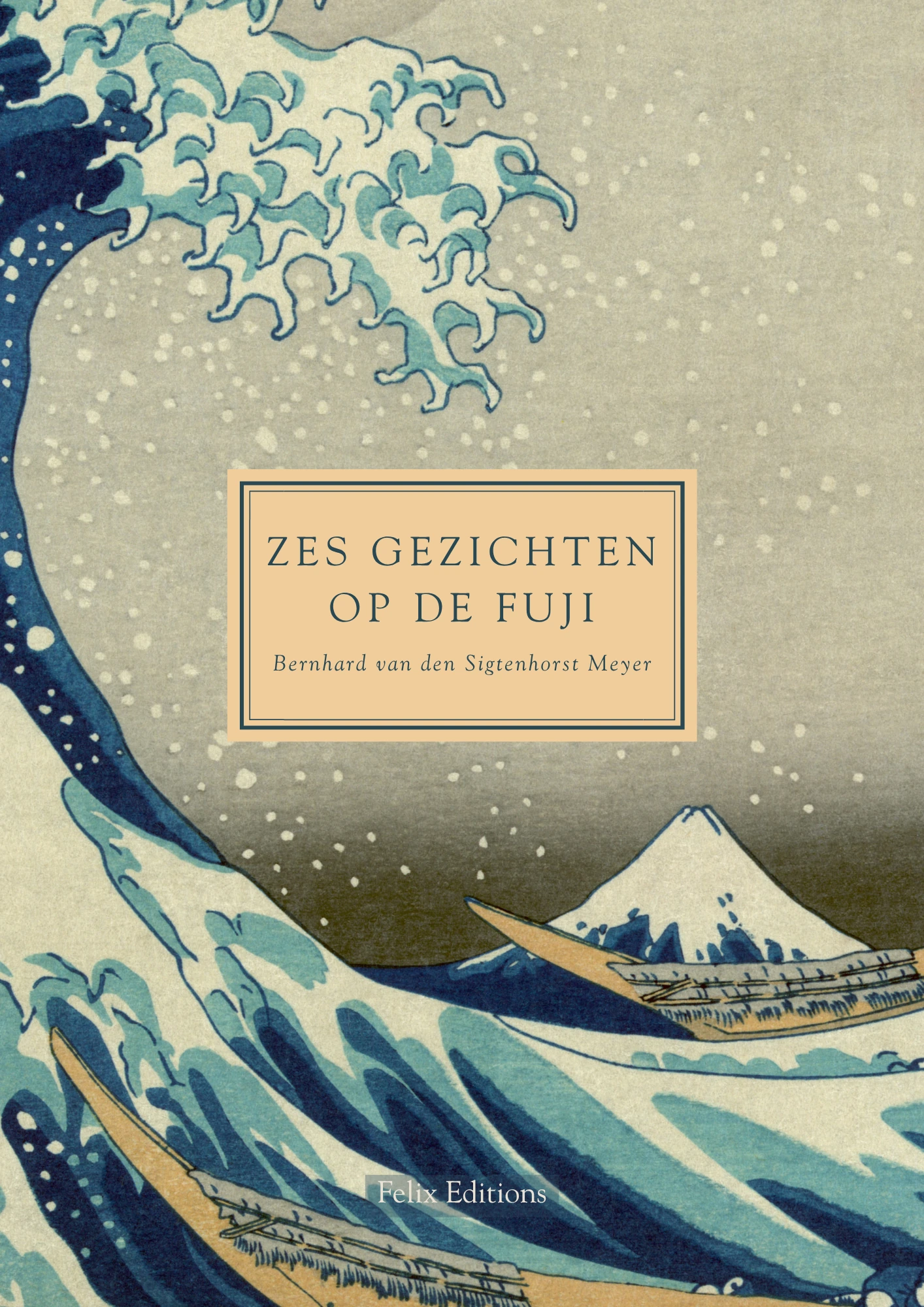
Zes Gezichten op de Fuji
Bernhard van den Sigtenhorst Meyer’s Zes Gezichten op de Fuji, Op. 9, is a piano cycle shaped by landscape, atmosphere and Eastern inspiration, presented in a newly accessible Felix Editions publication.
Joseph Woelfl
Trois Sonates
Three substantial piano sonatas from Joseph Woelfl’s Parisian period, combining Viennese Classical clarity with brilliant, technically engaging keyboard writing.
Eduard de Hartog
Sonate-Symphonie
A substantial Romantic piano sonata by Eduard de Hartog, combining classical four-movement design with expressive freedom, pianistic brilliance, and a cosmopolitan mid-nineteenth-century idiom.
Carl Loewe
Zigeunersonate
Carl Loewe’s Zigeunersonate, Op. 107b, is a five-movement Romantic piano sonata combining classical form, narrative imagination, vigorous pianistic writing, and a distinctive nineteenth-century programme.
Clara Schumann
Variations de Concert
A large operatic concert variation work on a theme from Bellini’s Il pirata. Its astonishing difficulty shows the young Clara Schumann’s command of the concert platform and offers advanced pianists a formidable Romantic showpiece.
Clara Schumann
Soirées musicales
A substantial six-movement piano cycle by the seventeen-year-old Clara Schumann, moving from brilliant Toccatina to Notturno, Mazurkas, Ballade and Polonaise. A rewarding recital group for pianists seeking variety, character and early Romantic depth.
Clara Schumann
4 Pièces Caractéristiques
Four sharply drawn character pieces: Le Sabbat, Romance, Caprice à la Boléro and Hexentanz. A vivid, compact set for pianists looking for theatrical energy, lyrical calm and dark rhythmic drive.
Clara Schumann
Valses Romantiques
A flowing early waltz cycle by Clara Schumann, more continuous than a simple set of dances. Graceful, refined and historically resonant, it also found an echo in Robert Schumann’s Carnaval.
Clara Schumann
Romance Variée
An early Romantic variation work with a lyrical theme, brilliant contrasts and direct musical links to Robert Schumann’s later Impromptus. A compact score with both pianistic appeal and biographical resonance.
Clara Schumann
Caprices en Forme de Valses
Nine waltz-caprices written by the twelve-year-old Clara Schumann. Concise and elegant, the set is an inviting way into her early piano writing, with lyrical turns, chromatic shading and confident character.
Adolf von Henselt
Ballade
A large Romantic Ballade from Henselt’s mature period, freely unfolding in form and demanding in texture. A serious recital work for pianists drawn to voicing, sonority and long-range musical control.
Adolf von Henselt
Grande Valse
A substantial concert waltz subtitled L’Aurore Boréale. More than a brilliant dance piece, it offers advanced pianists a distinctive work of chromatic colour, broad texture and inward lyricism.
Adolf von Henselt
Four Impromptus
Four Impromptus from different stages of Henselt’s career, ranging from lyrical character writing to denser pianistic textures. A useful introduction to his singing tone, legato writing, inner voices and refined colour.
Adolf von Henselt
Poème d’Amour
A lyrical but demanding Romantic piano work, close to the concert étude. With two 1838 Schlesinger versions included, this edition gives pianists a rare view of Henselt revising the piece for effect and playability.
Adolf von Henselt
Variations de Concert
A large-scale operatic concert variation set after Donizetti, presented in both its 1837 original and 1876 revised versions, with demanding textures and Henselt’s early Romantic virtuoso writing.
Ludwig Schuncke
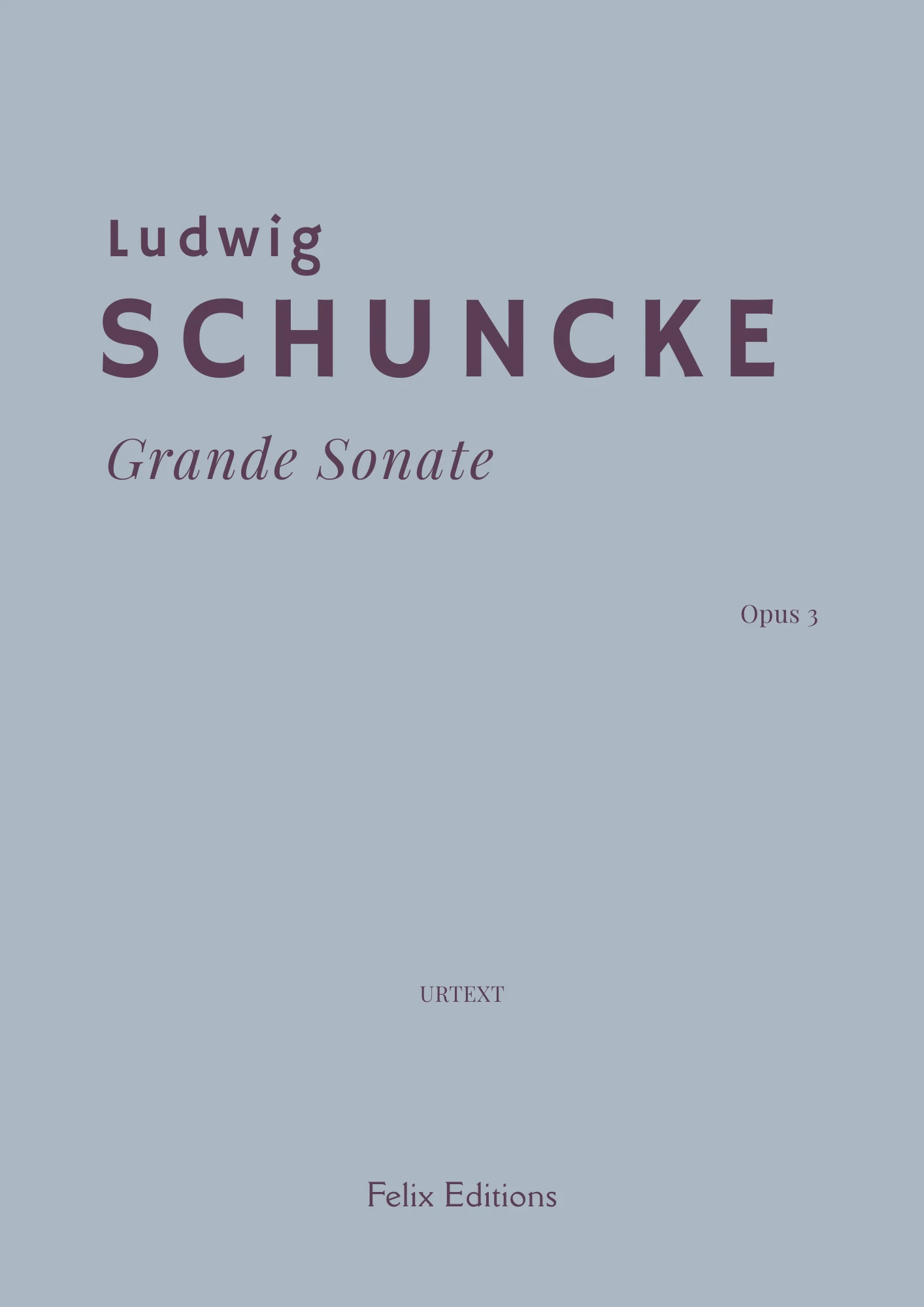
Grande Sonate
An ambitious early Romantic sonata by Ludwig Schuncke, written before his death at twenty-three. A substantial four-movement work for pianists interested in Schumann’s circle, classical discipline and brilliant pianism.
{{item.composer_name}}
{{item.product_title}}
{{item.catalogue_description}}