What the canon left out

New critical editions of overlooked Romantic piano music

Henselt, Wölfl, Schuncke, Clara Schumann, Loewe, and other overlooked Romantic composers, newly engraved, elegantly printed, and ready for the concert stage.

The rest of the 19th century

The romantic piano repertoire contains hundreds of works that never entered the standard teaching canon — not because they lack quality, but because the canon was always selective. Composers who were performed, published, and admired in their own time disappeared from concert programmes within a generation. Their music survived in library archives and unreadable nineteenth-century prints. It deserved better.

Felix Editions publishes new critical editions of Adolf von Henselt, Joseph Wölfl, Ludwig Schuncke, Clara Schumann, Eduard de Hartog, Carl Loewe, and Bernhard van den Sigtenhorst Meyer. Each volume is newly engraved from primary sources, with a critical commentary and a foreword, printed on premium cream paper with lay-flat wire binding. Browse the catalogue and hear what the canon left behind.

Not a scan. Not a reprint.

Every edition is newly engraved from primary sources, with critical commentary and a foreword. Available in print or as a digital download.

Newly engraved

Every note is freshly set from first editions and historical sources — not copied from a nineteenth-century print.

Fully documented

Critical commentary records every editorial decision, so you can see what the sources say and where they differ.

Built for the music stand

Lay-flat wire binding, premium cream paper, and a layout designed for practice and performance.

Featured edition

Fifty composers, one theme

In 1819, the Viennese publisher Anton Diabelli sent his waltz theme to fifty composers and asked each for a single variation. Beethoven famously refused the limit and wrote thirty-three — but the other forty-nine responded as asked, and the result is one of the most fascinating collective documents in piano literature.

From the eleven-year-old Liszt to Schubert, Hummel, and Czerny, the Vaterländischer Künstlerverein is a panorama of early Romantic keyboard writing. This critical edition restores the complete collection in newly engraved notation, making it playable — and programmable — for the first time in a modern performing edition.

121 pages · Newly engraved · Lay-flat wire binding · Premium cream paper · Critical commentary and foreword included
View Download Edition
Cover image of the Diabelli Variations by 50 composers, including Czerny, Hummel, Schubert, Liszt and Moscheles

Recently published

The latest additions to the catalogue.

Various Composers

Cover of the Felix Editions digital edition of the Diabelli Variations by various composers.
Diabelli Variations

A historically significant collection of fifty Viennese variations after Diabelli’s waltz, offering varied studies in style, technique, and early Romantic context.

Sigtenhorst Meyer

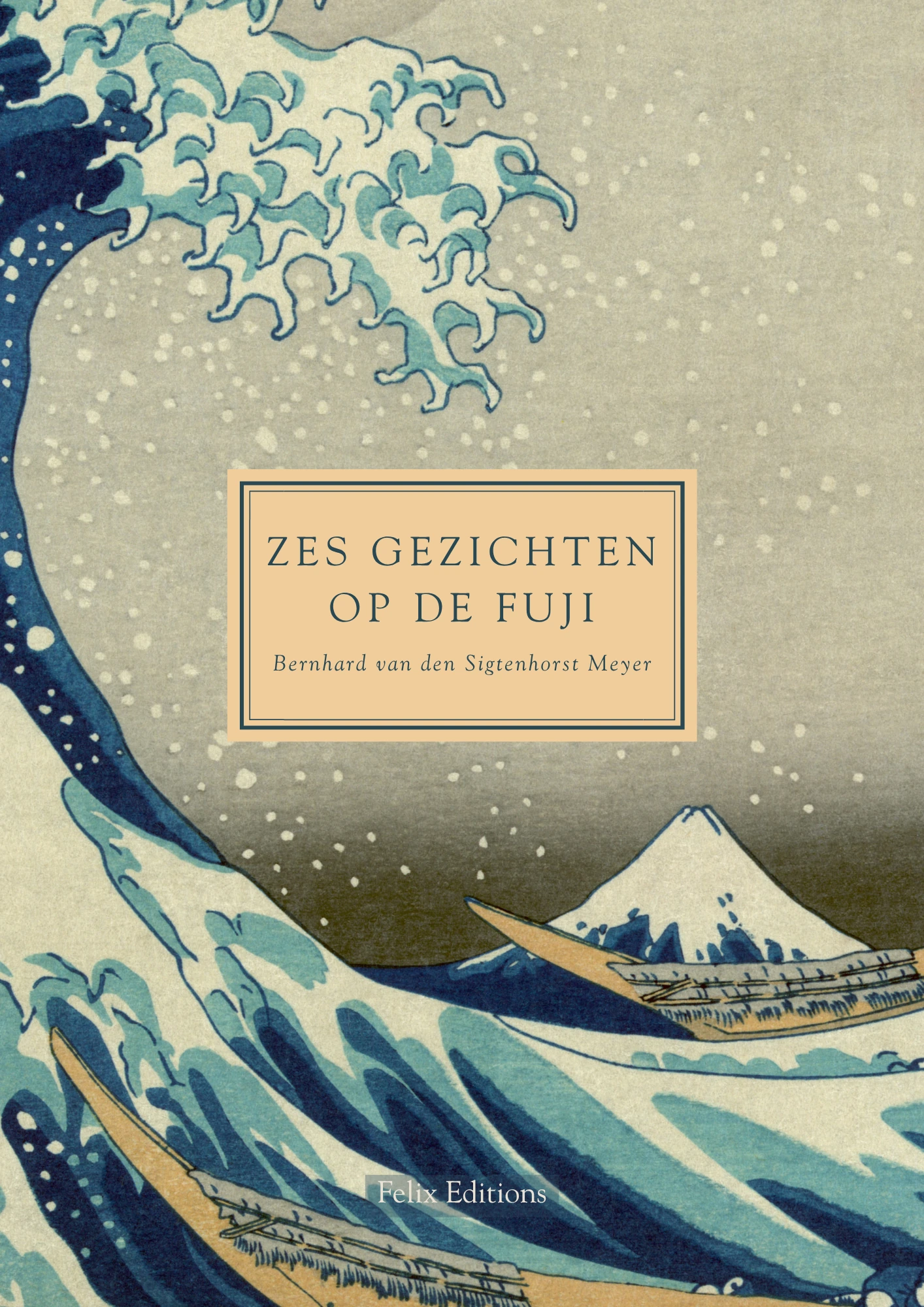
Cover of Sigtenhorst Meyer’s Zes Gezichten op de Fuji, shown with an image inspired by Hokusai’s Mount Fuji prints.
Zes Gezichten op de Fuji

Six musical impressions inspired by Hokusai’s Mount Fuji prints, with transparent textures and an impressionistic harmonic language close to Debussy.

De Hartog

Cover of Eduard de Hartog’s Sonate-Symphonie, Op. 21, in the Felix Editions catalogue.
Sonate-Symphonie

An unconventional four-movement Romantic sonata, combining Classical structure, brilliant keyboard writing, and stylistic range from Beethovenian drama to Chopinesque lyricism.

The Composers

Performed and admired in their own time. Waiting to be heard again in ours.

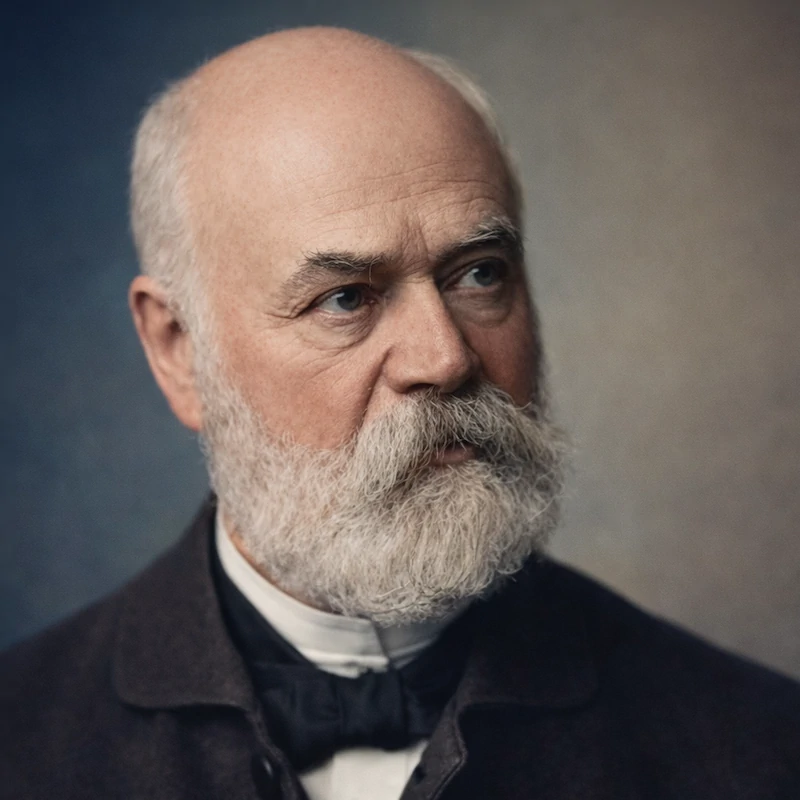
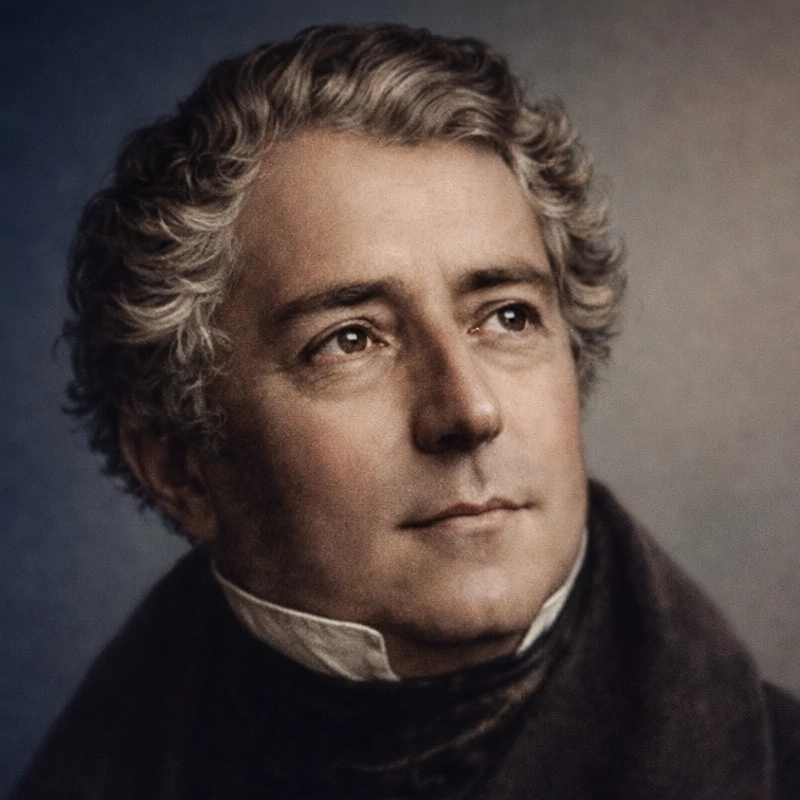
Portrait of Adolf von Henselt, Romantic pianist-composer and influential figure in the Russian piano school.

The pianist Liszt envied

Adolf von Henselt

Schumann called him 'the Chopin of the North'; Liszt envied his tone. In his own time, Adolf von Henselt was spoken of alongside the greatest pianists of the nineteenth century — not for virtuosity alone, but for the lyrical depth that defines all his work: wide-spanned textures, rich polyphony, and a vocal melodic style that makes the instrument sing. After a brief, celebrated career as a concert pianist, he withdrew to St Petersburg, where he laid the foundations of the Russian piano school as court pianist and pedagogue. His influence reached Rachmaninoff and Scriabin through Rubinstein and Zverev. Yet outside Russia, his music has remained largely overlooked — until now.

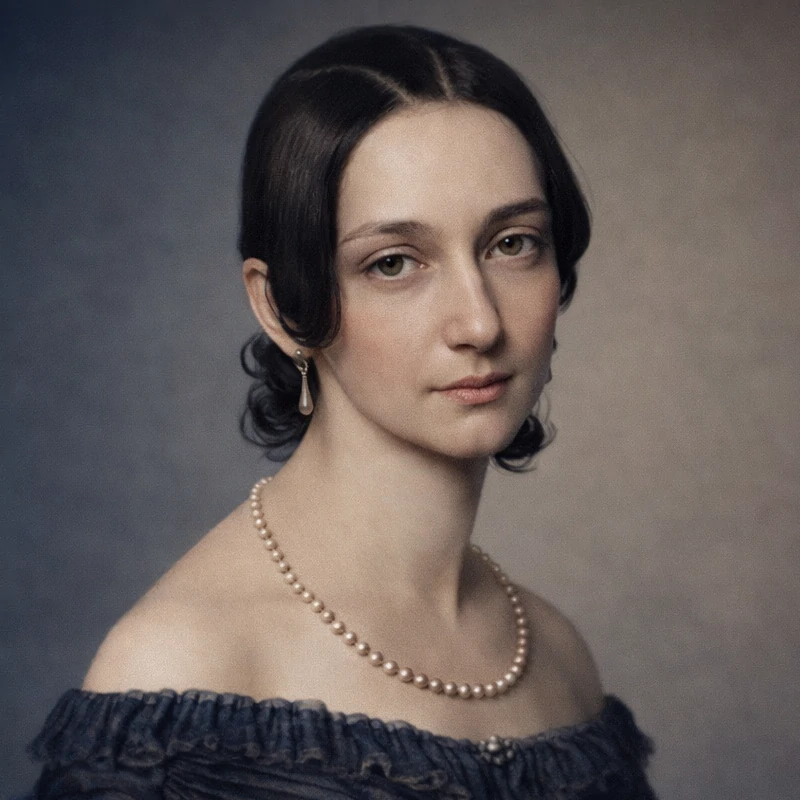
Portrait of Clara Schumann, composer and pianist whose early piano works form part of the Romantic repertoire.

Rivalled Liszt and Thalberg at eighteen

Clara Schumann

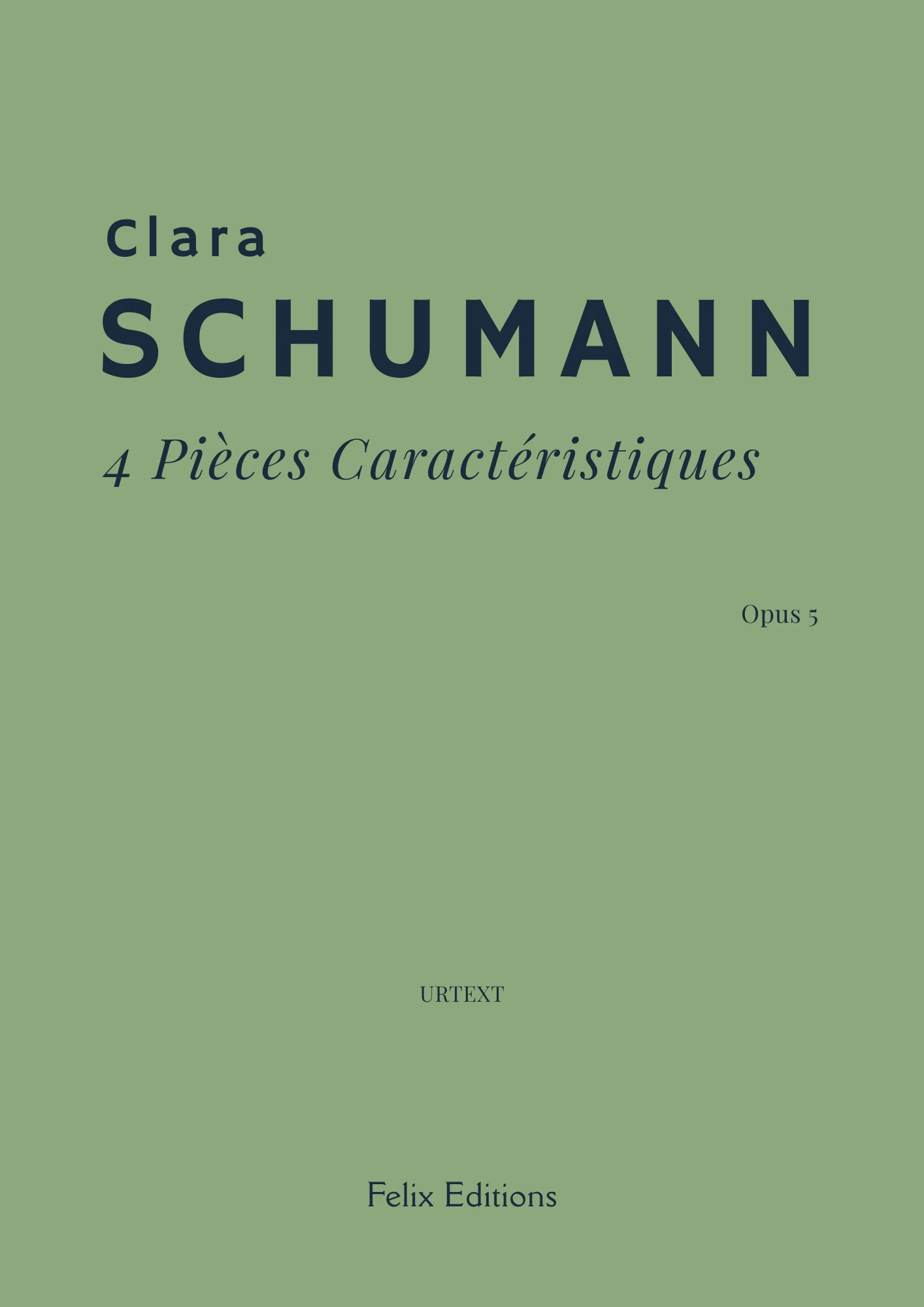
Chopin personally acquired her 4 Pièces Caractéristiques; Mendelssohn conducted the premiere of her Piano Concerto; Robert Schumann quoted her waltzes in Carnaval and reworked her theme in his own Impromptus, Op. 5. Clara Schumann's early piano works — composed between the ages of twelve and eighteen — are not peripheral to the Romantic repertoire but woven into it. The writing is technically exacting, harmonically inventive, and shaped by a lyrical intelligence that set her apart from the virtuoso display pieces of her contemporaries. These works have been overlooked, not because they lack substance, but because no critical performing edition existed. Now one does.

Portrait of Carl Loewe, nineteenth-century composer known for his ballads.

The Schubert of the North

Carl Loewe

In Vienna they called him "the Schubert of the North" — yet where Schubert's piano sonatas became pillars of the repertoire, Loewe's disappeared from it. His reputation rests on over four hundred ballads, dramatic and pianistically daring, admired by Hugo Wolf a generation later. The piano works tell a different story. His Zigeunersonate (1847) channels the nineteenth-century fascination with what was then considered the exotic into five movements of considerable ambition.

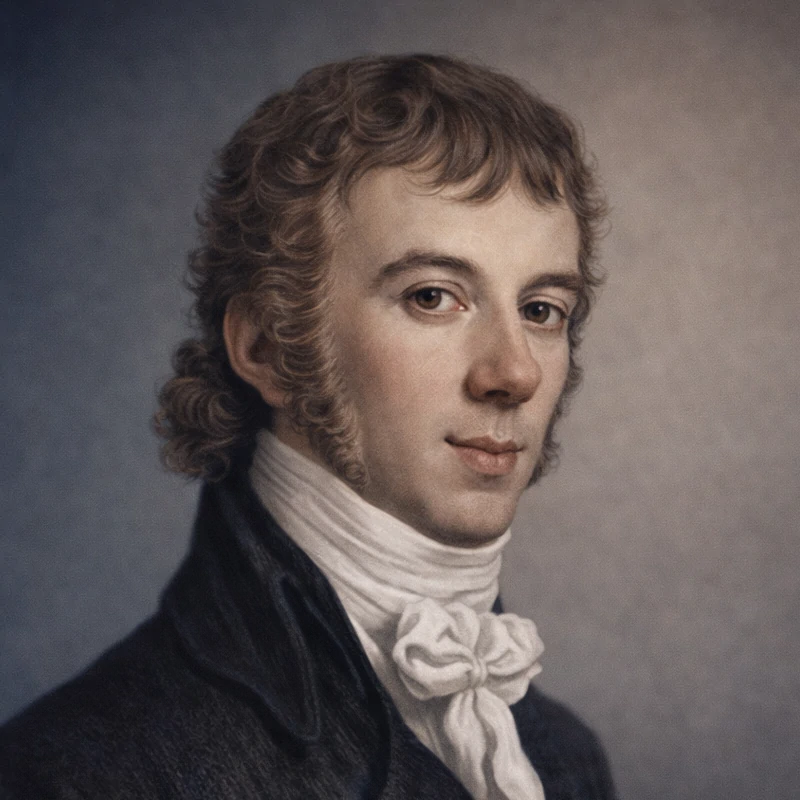
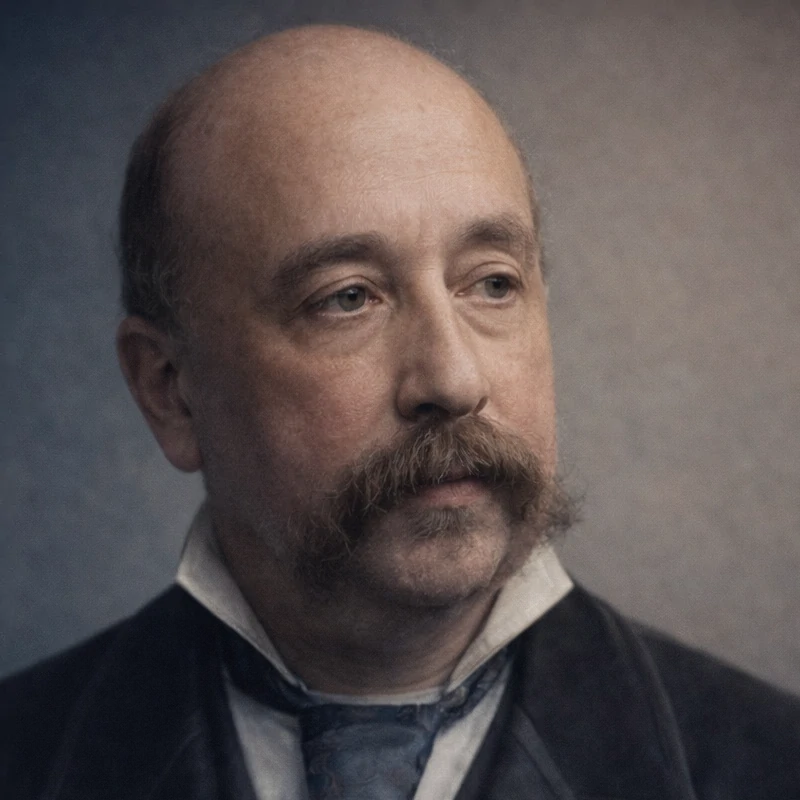
Portrait of Ludwig Schuncke, Romantic composer and close associate of Robert Schumann.

Dead at twenty-three

Ludwig Schuncke

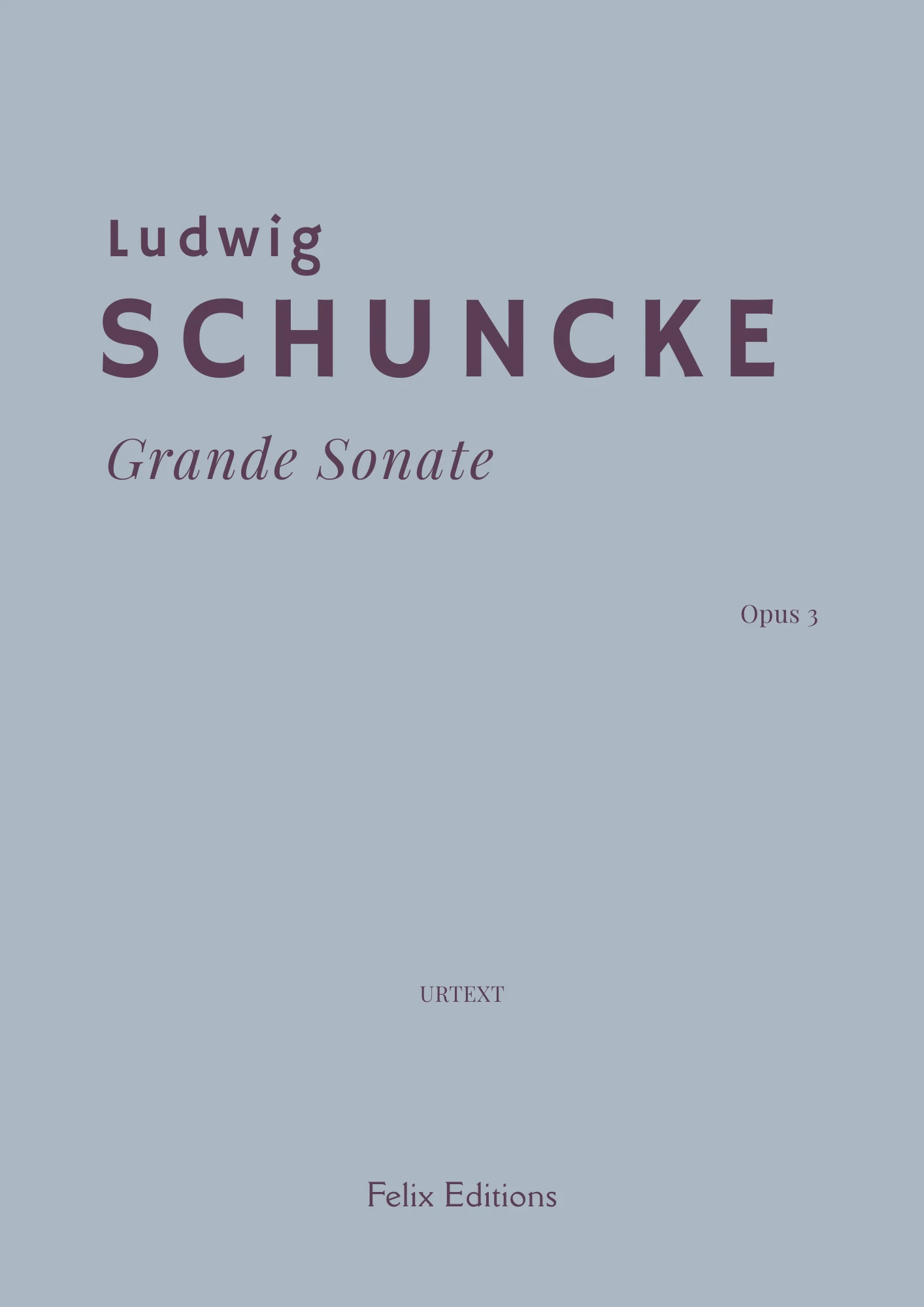
Schumann counted him among the three people who made up his entire wealth. The two met in Leipzig in 1833, co-founded the Neue Zeitschrift für Musik, and exchanged dedications — Schuncke inscribed his Grande Sonate in G minor to Schumann; Schumann gave his Toccata in C major in return. Born into a family of horn players, Schuncke studied piano in Paris with Kalkbrenner and Reicha, and drew a favourable comparison to the young Liszt from Schumann himself. Tuberculosis ended everything two weeks before his twenty-fourth birthday. The Grande Sonate is the work of a composer who had found his voice. There was no time for a second one.

Portrait of Joseph Wölfl, Viennese-trained pianist-composer and contemporary rival of Beethoven.

Turbocharged Mozart

Joseph Wölfl

Wölfl trained in Mozart's Salzburg under Leopold Mozart and Michael Haydn, and arrived in Vienna with a technique so commanding that in 1799 Beethoven agreed to face him in a public improvisation duel. The Journal de Paris called him one of the most astonishing pianists in Europe. But Wölfl was no Beethoven imitator: his sonatas extend Mozart's language with a brilliance that sounds far more virtuosic than the notes demand. He died in London at thirty-eight. His music survived in libraries, not on music stands. Until now.

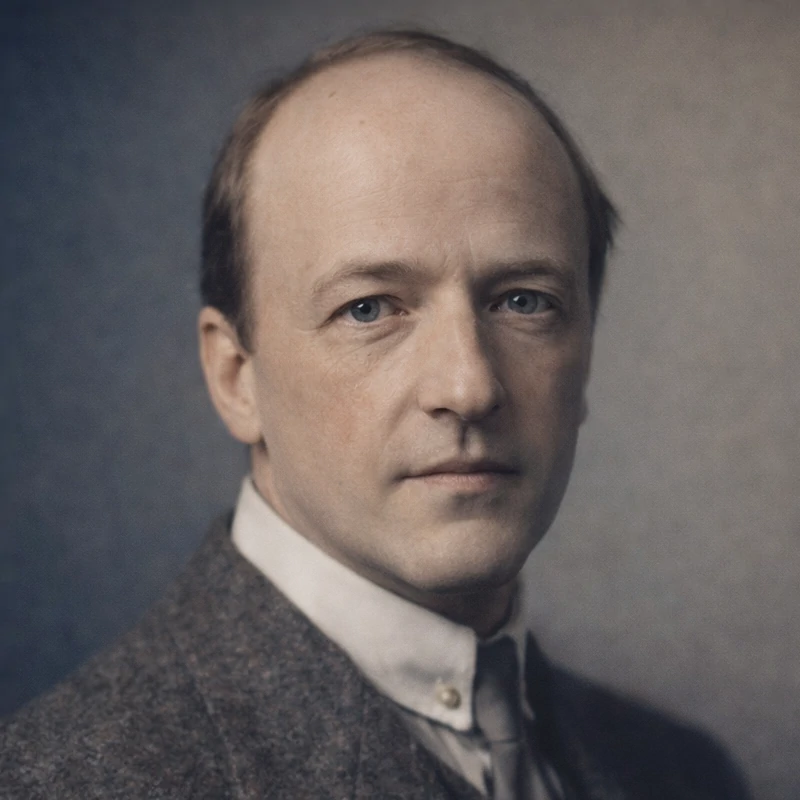
Portrait of Bernhard van den Sigtenhorst Meyer, Dutch composer of impressionistic piano miniatures.

Dutch impressionist

Bernhard van den Sigtenhorst Meyer

His piano miniatures — of flowers, birds, rivers, Hokusai's Mount Fuji — sit somewhere between Debussy and Satie but sound like neither. Sigtenhorst Meyer studied in Amsterdam, Vienna, and Paris, settled in The Hague, and translated landscape and Eastern imagery into music of transparent texture and quiet harmonic invention. He taught Hans Henkemans, wrote three monographs on Sweelinck, and composed the score for the first Dutch sound film. His piano music has been largely overlooked.

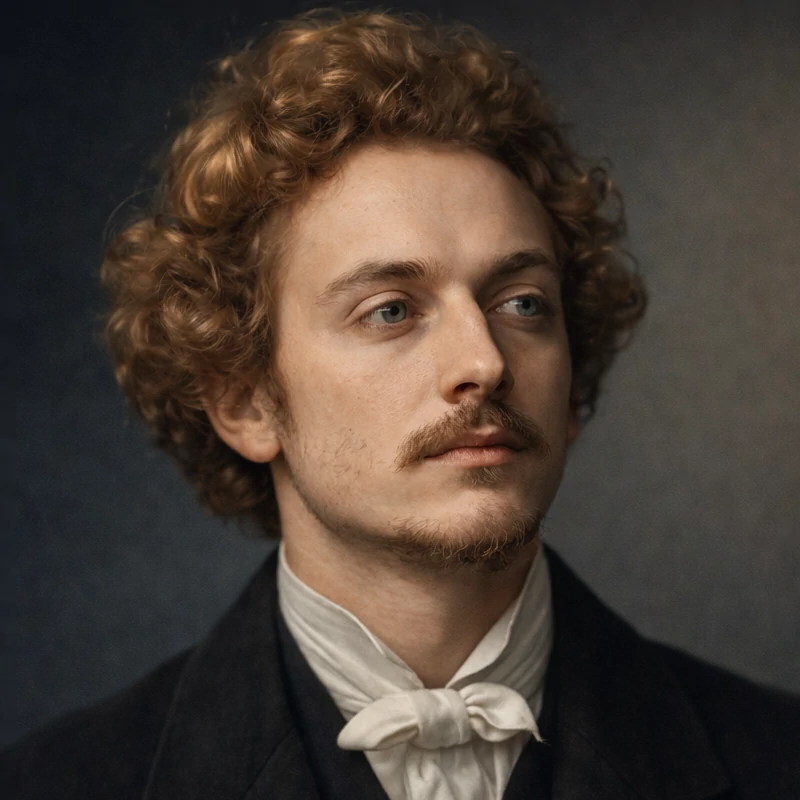
Portrait of Eduard de Hartog, Dutch-born composer and pianist active in nineteenth-century Paris.

Dutch virtuoso

Eduard de Hartog

Born in Amsterdam in 1825, De Hartog spent nearly fifty years in Paris — as conductor of the Cercle Sainte-Cécile, concert pianist, and composer of operas staged at the Théâtre Lyrique. He was decorated by two governments and wrote more than eighty works spanning opera, symphonic poetry, chamber music, and piano. Yet not a single modern performing edition existed until now. His Sonate-Symphonie, Op. 21, is the first to appear.

About Felix Editions

I am an editor based in Amsterdam. I started Felix Editions because much of the Romantic piano repertoire I wanted to study existed only in dense, error-filled nineteenth-century prints, or in modern editions that look like they were set by a machine. Every volume is prepared from primary sources, with a critical commentary that documents the decisions behind the text.

Newsletter

We do not like spam either. You will only hear from us occasionally, when there is a new edition or something genuinely worth sharing.

I would like to receive occasional updates from Felix Editions.

We send occasional emails when we release new editions. Never more than six a year — usually fewer.

You have succesfully subscribed to our newsletter.