About Felix Editions

Felix Editions publishes newly engraved practical editions of neglected and underrepresented nineteenth-century piano music: carefully prepared for reading, study, teaching and performance.

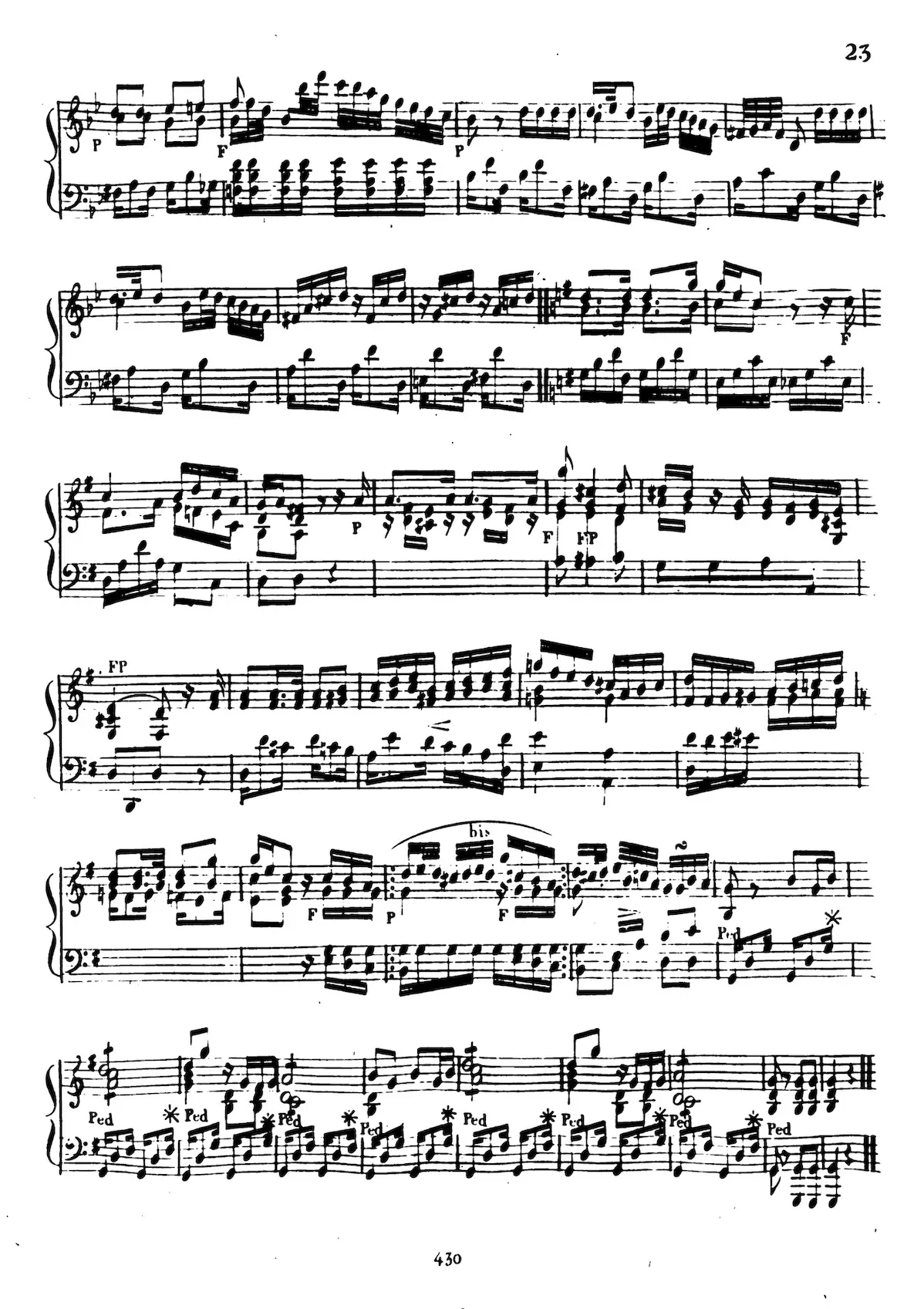
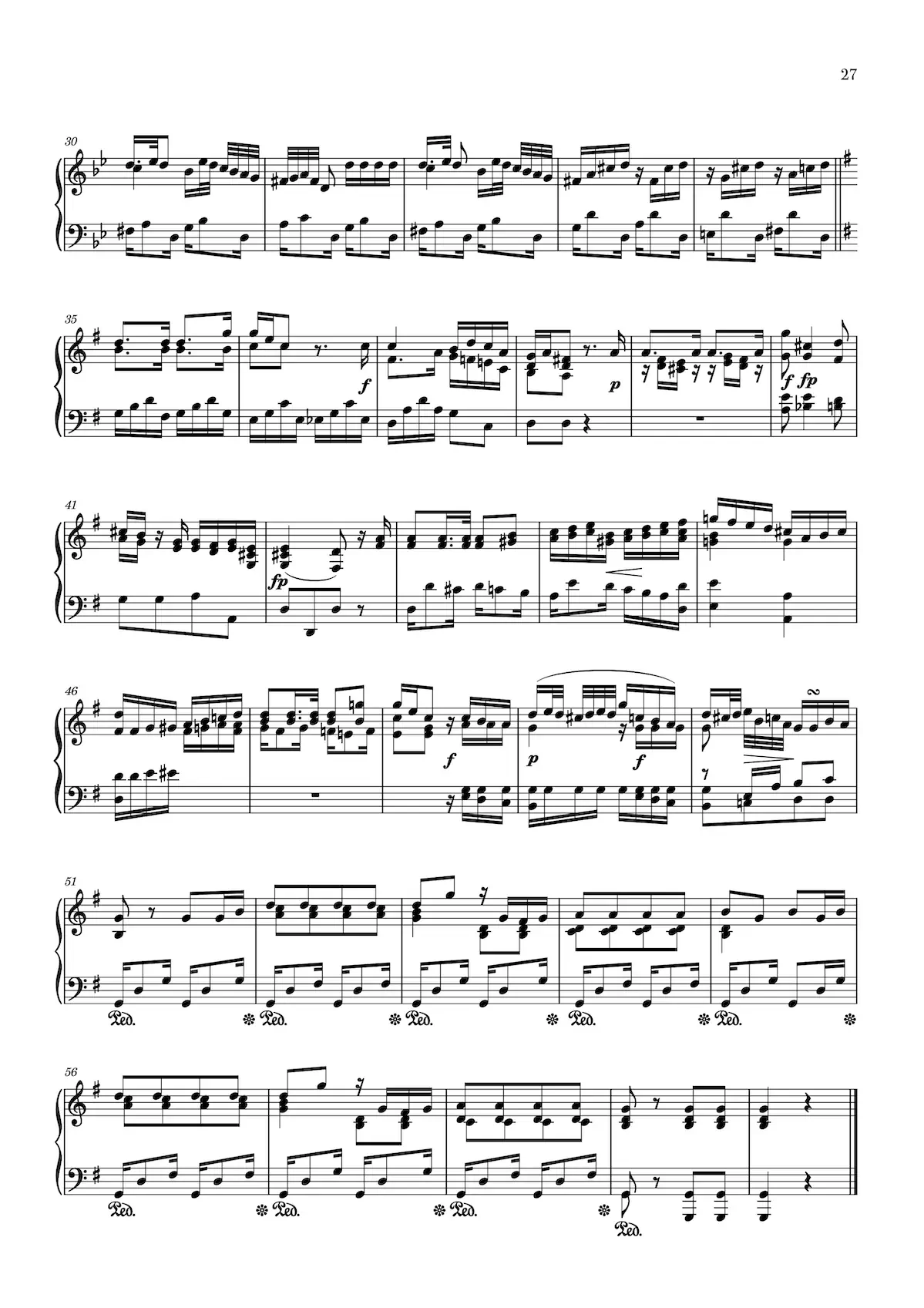
Felix Editions publishes newly engraved practical editions of neglected and underrepresented nineteenth-century piano music. The aim is not to replace the familiar repertoire, but to widen the pianist’s view of it: to bring serious, beautiful and historically interesting works back into readable, playable form. These are not scans, facsimiles or simple reprints. Each edition is prepared as a working musical text, with attention to sources, notation, layout, page turns, commentary and the physical experience of reading music at the piano.

Why Felix Editions exists

The Romantic piano repertoire is much larger than the small group of works that has remained continuously present in concert life, teaching and publishing. Around the familiar names lies a wide field of music that was once played, published, reviewed, taught or admired, but which later slipped out of regular circulation. Some of this music disappeared for understandable reasons. Some is uneven. Some belongs to styles, genres or pianistic habits that later generations no longer knew how to value. But much of it remains musically compelling: lyrical, inventive, idiomatic, technically ambitious, intimate, theatrical, strange or quietly original. Felix Editions exists to make such repertoire available again in editions that are useful to musicians now. The purpose is not antiquarian recovery for its own sake. It is to give pianists, teachers, students, researchers and collectors access to music that deserves to be read, played, studied and judged from the page rather than from reputation alone.

More than access

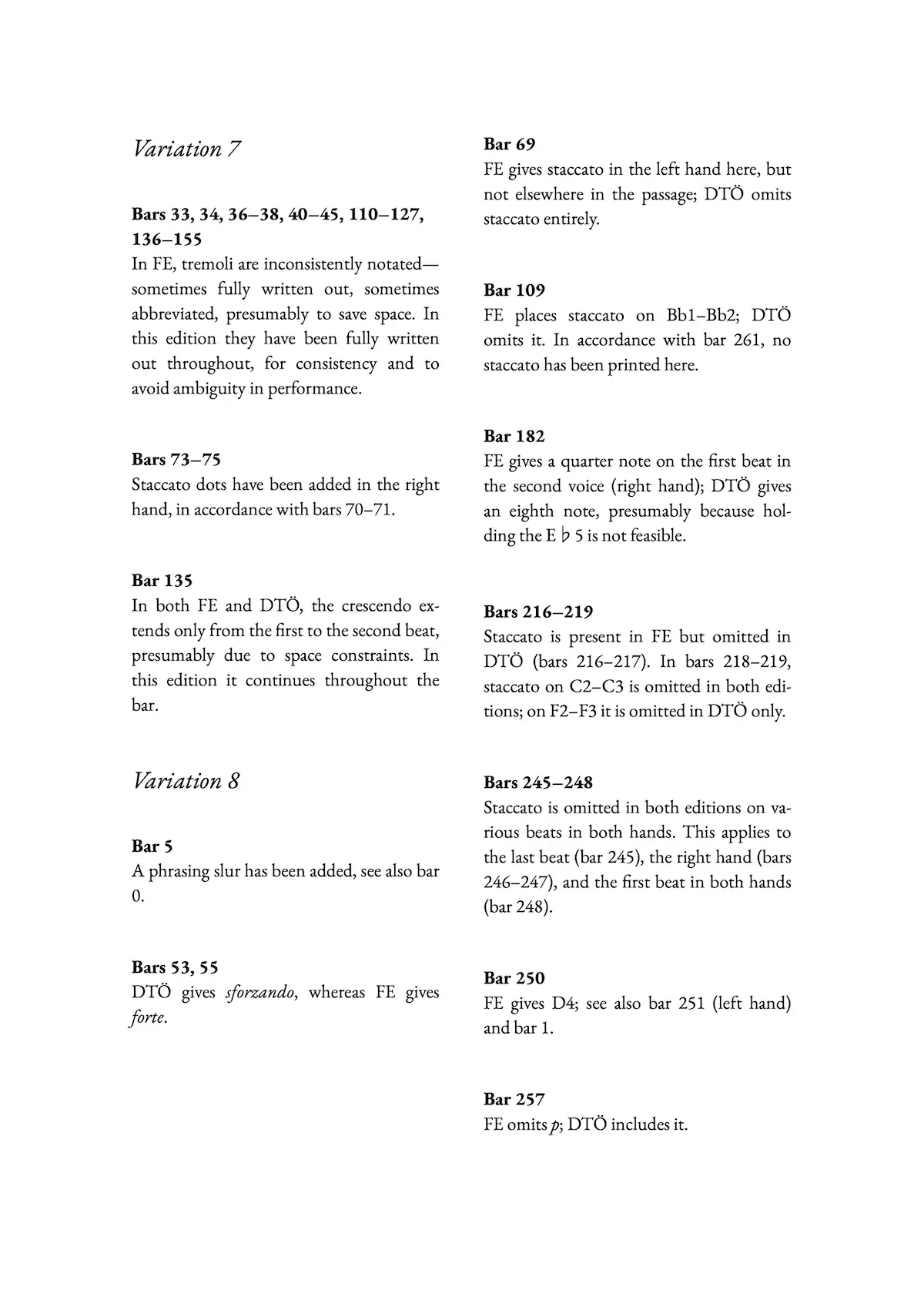
Digital libraries and facsimiles have made an extraordinary amount of music available. They are invaluable. They allow musicians to consult sources that would once have been difficult, expensive or impossible to find. Felix Editions serves a different purpose. A scan gives access to a source. A Felix Editions score turns that source into a newly engraved practical edition: legible, carefully spaced, checked against the available material, and prepared with the needs of the player in mind. Ageing print, damaged copies, cramped notation, awkward page turns and inconsistent engraving can all stand between the pianist and the music. A new edition cannot remove every historical uncertainty, but it can make the musical text clearer, more usable and more honest about its problems. Many nineteenth-century piano sources are far from tidy. Sometimes there are several sources; often there are very few. Some are reliable, others contain obvious errors, ambiguous readings, missing accidentals, inconsistent articulations or conflicting details. Felix Editions does not pretend that every question can be settled with false certainty. Clear errors are corrected where appropriate; inconsistencies are considered rather than reproduced mechanically; significant editorial decisions are documented when necessary. The result is not an “Urtext” label applied indiscriminately. Where the source situation allows for a more critical approach, that is reflected in the edition. Where the surviving material is limited, the edition says so. The guiding principle is simple: to prepare a score that is musically responsible, readable and practical, without making stronger claims than the sources permit.

Editions made for playing

Felix Editions scores are designed as working editions. That means the visual form of the page matters. Piano music is not read in the abstract. It is read under the hands, at speed, in practice, in teaching, and sometimes in performance. A score may be textually interesting and still be unpleasant to use. Good engraving should not draw attention to itself, but it should remove unnecessary obstacles: cramped systems, unclear spacing, badly placed dynamics, uncomfortable turns and visual clutter. For that reason, Felix Editions gives particular attention to:

  • clear, newly engraved notation;
  • practical page layout and page turns;
  • readable spacing in technically dense passages;
  • consistent placement of musical markings;
  • commentary that helps without overloading the score;
  • physical formats suited to real use at the piano. The editions are intended not only to preserve music, but to make it playable again.

Repertoire beyond the usual canon

Felix Editions is not an anti-canonical project. The central piano repertoire is central for good reasons, and neglected music does not become valuable merely because it has been neglected. But the canon is not the whole history of piano music. It is the part that survived most visibly: through institutions, teaching traditions, publishing habits, competitions, recordings and repeated advocacy. Many composers who mattered in their own time are now represented, if at all, by a name in a footnote or a deteriorating scan. Felix Editions approaches this repertoire with curiosity and discrimination. The point is not to declare every rediscovered work important, but to make it possible for musicians to encounter selected works in a form that allows fair judgement. Some pieces illuminate a forgotten corner of piano culture. Some reveal a composer’s distinctive technical world. Some are valuable teaching material. Some are simply rewarding to play. The catalogue therefore grows around works that combine musical interest, pianistic value and historical significance.

A personal editorial project

Felix Editions is a small publisher, and that is part of its character. The editions are shaped by the attention of an editor-publisher whose work has grown out of long engagement with music as something read, played, composed, studied and set on the page. That background matters because these editions sit at the intersection of several kinds of knowledge: repertoire knowledge, musical judgement, editorial restraint, practical pianism and typographic care. A score has to be more than correct in principle. It has to be clear in use. It has to respect the source without becoming trapped by its defects. It has to look calm enough for the player to trust it. Felix Editions is built on that combination: musical curiosity, editorial patience and a close eye for the visual form of notation.

At a glance

Felix Editions publishes:

newly engraved practical editions of neglected and underrepresented nineteenth-century piano music.

The editions are for:

pianists, piano teachers, conservatoire students, researchers, collectors and anyone seriously interested in the wider Romantic piano repertoire.

Each edition is:

readable, playable, source-aware, carefully laid out and honest about editorial choices.

Felix Editions does not publish:

scans, facsimiles or simple reprints.

The broader aim:

not to reject the canon, but to enlarge the musical field around it.

Explore the editions

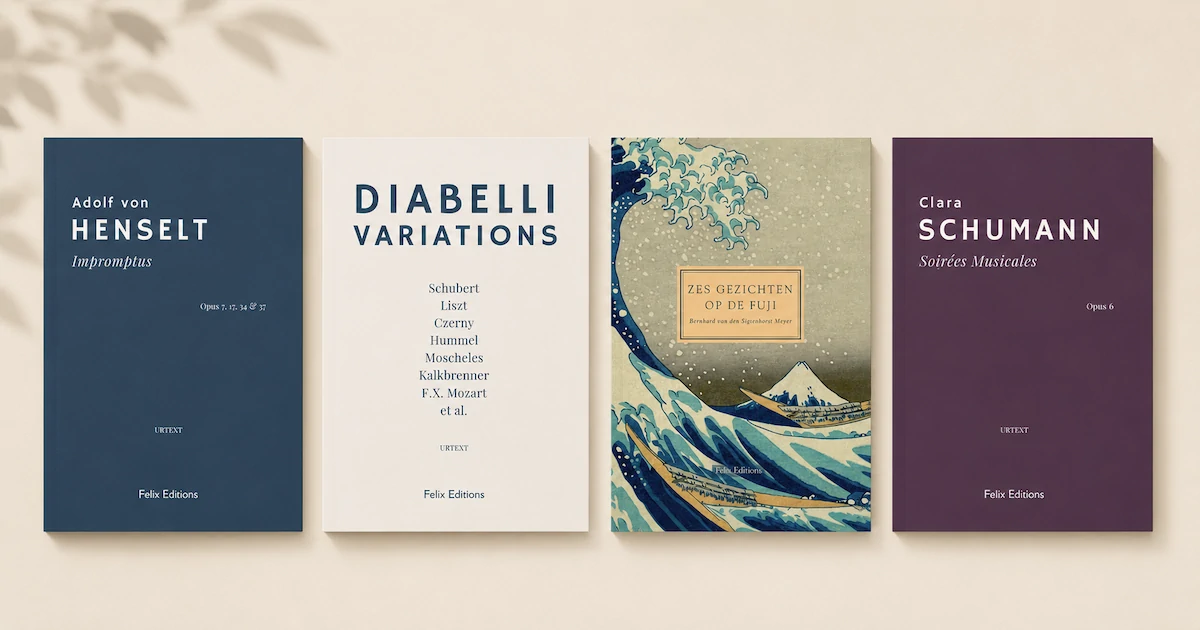
The catalogue presents the works currently available from Felix Editions. For more detail on sources, notation, layout and editorial decisions, see the Editorial Approach page.

About Felix Editions

I am an editor based in Amsterdam. I started Felix Editions because much of the Romantic piano repertoire I wanted to study existed only in dense, error-filled nineteenth-century prints, or in modern editions that look like they were set by a machine. Every volume is prepared from primary sources, with a critical commentary that documents the decisions behind the text.

Newsletter

You have succesfully subscribed to our newsletter.