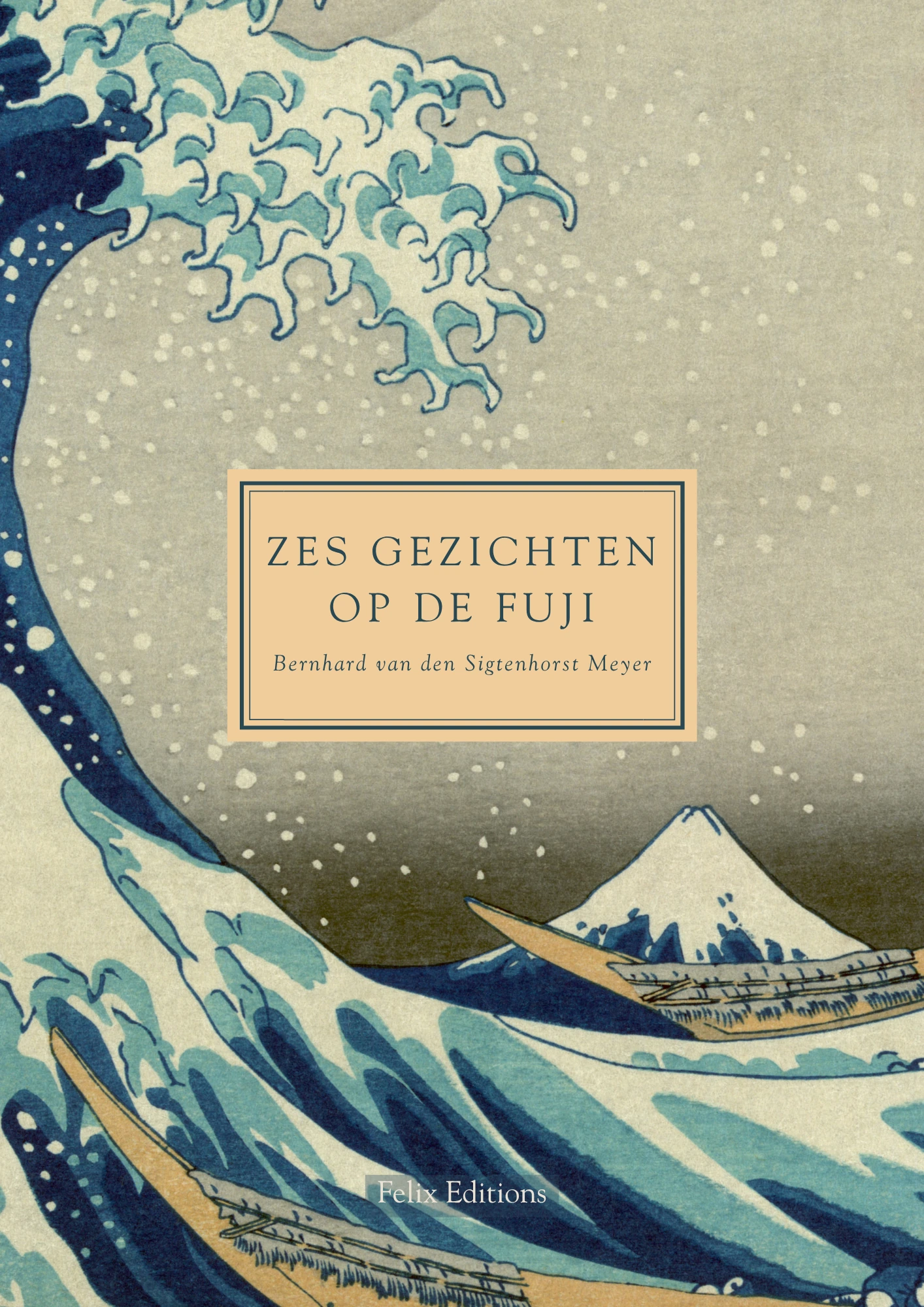
Zes Gezichten op de Fuji
Bernhard van den Sigtenhorst Meyer’s Zes Gezichten op de Fuji, Op. 9, belongs to a distinctive body of Dutch piano music shaped by landscape, nature and Eastern inspiration. The cycle reflects a composer whose piano writing avoids empty display and seeks instead a precise, evocative language of sound. This Felix Editions publication makes the work available for pianists interested in refined, atmospheric repertoire beyond the familiar central canon.
About this edition
This Felix Editions publication presents Zes Gezichten op de Fuji as part of a renewed practical engagement with Sigtenhorst Meyer’s piano music. The edition is intended for use at the piano: a clean, usable score for performers, teachers and students who want to explore this repertoire without relying on difficult-to-use historical material.
The publication also places the work within its wider artistic context. Sigtenhorst Meyer’s piano output includes several collections of short character pieces, among them Zes Gezichten op de Fuji, Op. 9, the animal-inspired Preludes, Op. 17, works on Dutch castles and the river Meuse, as well as sonatas, sonatinas and other piano pieces.
The music
Sigtenhorst Meyer’s music is not modernist in the usual early twentieth-century sense, yet it is far from conventional salon writing. His piano music often turns to landscape, natural motion and visual impression, with a thematic affinity to Debussy while retaining an individual Dutch voice.
Zes Gezichten op de Fuji also reflects the composer’s recurring interest in Eastern subjects. This interest appears elsewhere in his work, including the piano cycle Het Oude China, Op. 2, and the cantata De Verzoeking van Boeddha. In this context, Zes Gezichten op de Fuji is best approached as a set of poetic piano pieces concerned with atmosphere, image and colour rather than overt virtuoso display.
Who is it for?
This edition is suited to pianists, teachers, conservatoire students and repertoire explorers looking for compact, characterful piano music outside the standard recital circuit. It will be especially useful for players interested in Dutch repertoire, nature- and landscape-inspired piano music, or early twentieth-century works that remain connected to late Romantic colour and pianistic clarity.
Collectors of neglected piano repertoire will also find the work valuable as part of a broader picture of Dutch musical life in the first half of the twentieth century.
Available formats
Available as a Felix Editions publication. PDF and printed formats may be offered where available.